Guardians of the Sea: The Fight Against Ocean Pollution 

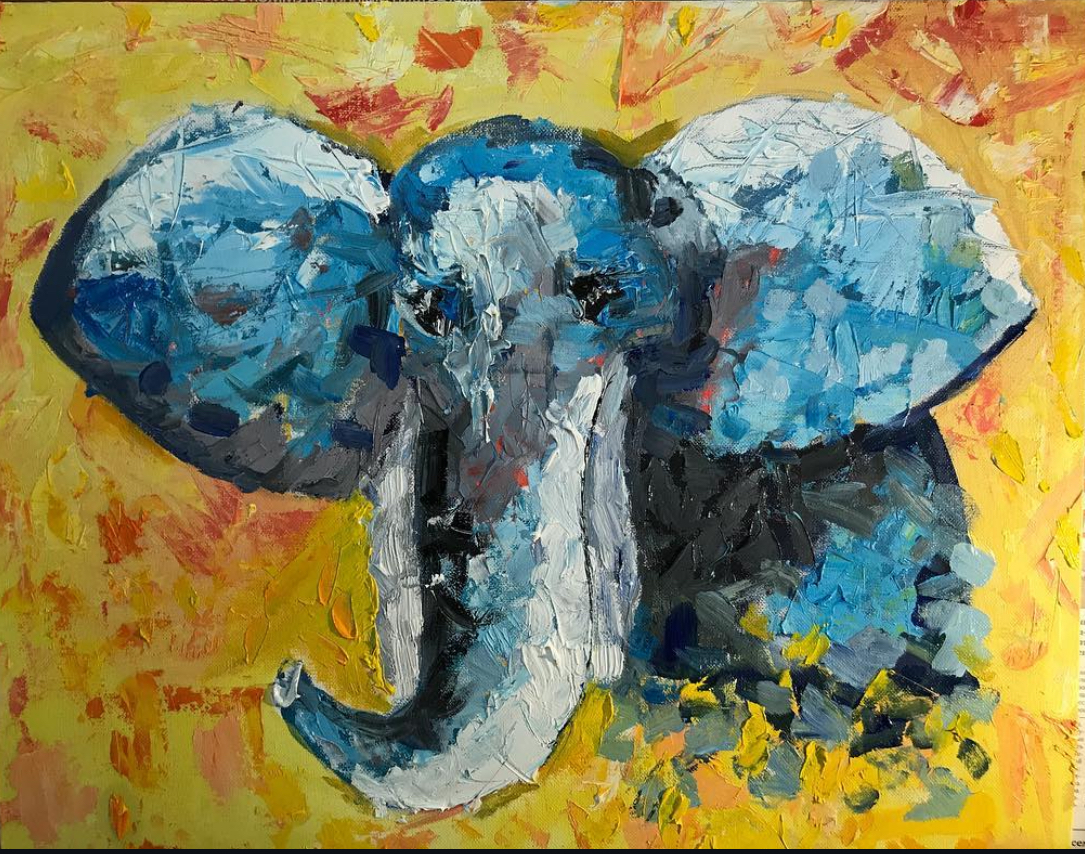
Artwork by Freya Kotter

By: Freya Kotter, 14, Austria

The ocean is a wonderful place. It is home to a huge number of species and it is crucial that we protect our oceans. If we don’t, it could lead to extinction of many species and creatures that we have not discovered yet, and cause an imbalance of the marine ecosystem. This would also affect us greatly as the ocean contributes to our lives as a whole by stabilising the water cycle and weather patterns, as well as giving us food. 

Plastic waste is a major contributor to loss of life below water as well as life on land. Plastic may be cheap and easy to produce but it takes decades to centuries for it to decay. This has become a real concern. Only 9% of the world’s plastic is recycled (Geyer, Jambeck, and Law, 2017), 12 million tonnes of plastic is dumped into the ocean every year, 8 million pieces of plastic make their way to the ocean every day (Surfers Against Sewage, 2024). Scientists have also warned us that plastics in oceans will triple between 2015 to 2025 (Government Office for Science, 2018). This is a huge problem as this will cause a significant decline in marine life. 

Plastic fishing nets are one of the biggest threats to the marine ecosystem. They are one of the main reasons that so many species die either because they get trapped or mistake it for food. Fishing nets also damage coral reefs and other habitats as they drift off and get caught easily. To protect the environment from these nets we could enforce a law to mark equipment, so if it gets lost and is found they can pay a penalty fee. However, to avoid all this from happening we need to take action and stop using as much plastic. There are already alternatives to plastics like biodegradable plastic made from natural substances like algae. Many conventional plastic wastes end up washing up on shore and pollute the soil, causing some plants to absorb microplastics, making them essentially 1% plastic!  

Other threats to the ocean include overfishing and global warming. Overfishing is sometimes taken too far which can cause the food chain to become less stable and therefore the whole ecosystem suffers. Global warming is another major issue because it causes the oceans to rise and weather patterns to change drastically over a short period of time. This can cause flash floods and the oceans to become more vigorous and erode more land rapidly over a shorter time span. Global warming, plastic waste and overfishing all harm our oceans and present a huge threat to the health of our planet. I think we should try to change our perspective and minimise the impact of our behaviour on our earth.

References

Geyer, R., Jambeck, J. R., & Law, K. L. (2017). Production, use, and fate of all plastics ever made. Science Advances, 3(7), e1700782. https://doi.org/10.1126/sciadv.1700782

Government Office for Science. (2018). Foresight Future of the Sea A Report from the Government Chief Scientific Adviser. https://assets.publishing.service.gov.uk/media/5afab2f440f0b622e060e2b7/foresight-future-of-the-sea-report.pdf

Surfers Against Sewage. (2024). Plastic pollution: facts & figures. Surfers against Sewage. https://www.sas.org.uk/plastic-pollution/plastic-pollution-facts-figures/

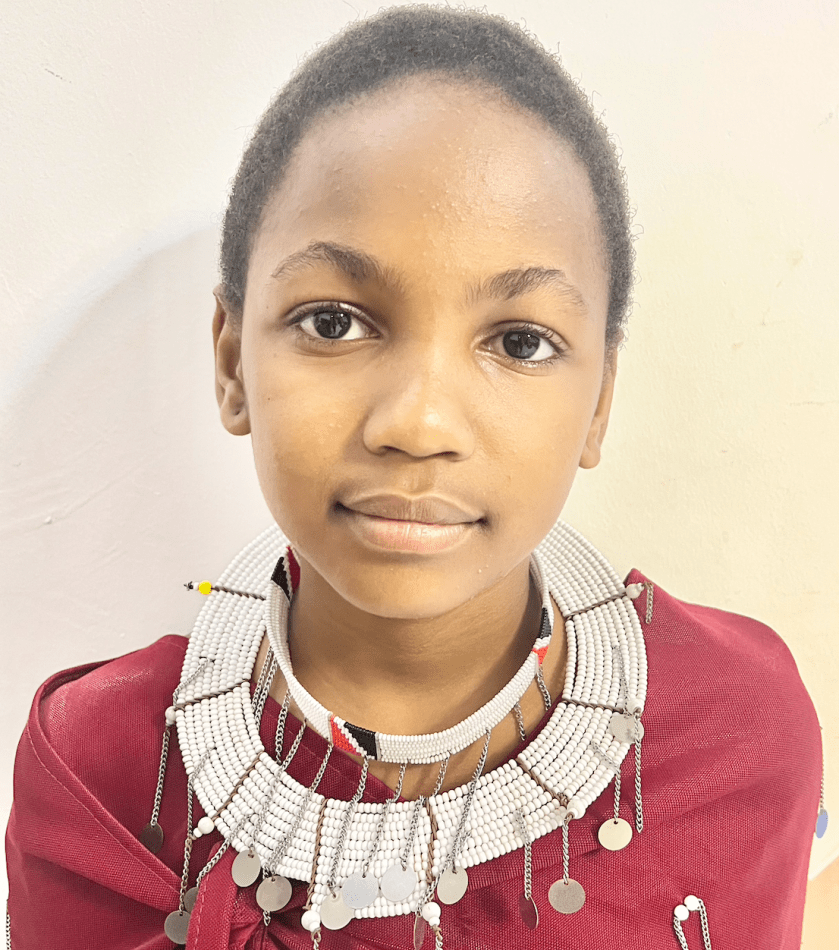
Maasai are the Guardians of Life on Earth

By Naipanoi Onesmo Olengurumwa, 11, Tanzania

My father and my grandfather grew up in the middle of an ecological system living with animals and nature. Yes, we coexist with animals and nature. Let’s use this indigenous knowledge to protect the Serengeti/Loliondo and Ngorongoro ecosystem and all the lives on it. Yes, we are the best implementers of SDGs goal 15 and tribe of the soil.  

We have a rich cultural heritage that is deeply intertwined with the environment. Traditionally we have developed a sustainable way of life that respects the balance of nature. This relationship positions us as crucial stakeholders in global efforts towards sustainable development, climate change adaptation strategies and guardians of life on earth. Yes, animals are part of our clans. For instance my father and grandfather are from the Irmakeseni Masai clan which also belongs to the community of zebras. Yes, we share common things, and they often come close to our homes and graze together with our cows. They run to our homes for refuge against predators. Please, for our survival as indigenous community attached to nature and for protection of ecology and ecosystem in Ngorongoro and Seregent/Loliondo Plains, don’t separate us.  

Our indigenous knowledge includes understanding seasonal migrations of wildlife and water  resources which protect the Serengeti ecosystem. We use our traditional rotational grazing styles to prevent overgrazing in any one area while promoting biodiversity by allowing  various plants to thrive and breeding of wildebeest. For instance, we have been using part of our village lands called osero with 1500 sqkm in Loliondo to conduct traditional rotational grazing. Sadly, due to on going landgrabing in our home, this land is nolonger part of our land villages. This practice supports not only livestock health but also wildlife conservation as it creates a balanced ecosystem where both domestic animals and wildlife species can coexist. Kindly, make use of our indigenous knowledge of nature management to save the Serengeti/Loliondo and Ngorongoro ecosystem, and avoid fortress conservation laws that evict us from our traditional land. We are attached to nature as indigenous conservators of nature and life on earth. Please respect this and use this knowledge to manage climate challenges in Ngorongoro.

Can the New BNG Policy Improve ‘Life on Land’ in the UK?

By: Rowena Shivam, 18, UK

‘Halt biodiversity loss’ is a crucial part of Sustainable Development Goal 15. Globally, over 1 million animal and plant species are facing extinction (United Nations, 2019). The United Kingdom has the lowest level of biodiversity in the G7 but also one of the worst housing crises (House of Commons Environmental Audit Committee, 2021). House-building, along with associated infrastructure development like roads, transport and waste disposal, leads to habitat destruction and biodiversity loss. This creates issues for sustaining life on land.

Over the last year, I have been following the development of a new UK law that could significantly improve our progress towards SDG 15: Biodiversity Net Gain (BNG). BNG is a novel approach to land management that leaves biodiversity in a measurably better state than before any development. This policy could create or enhance up to half a million hectares of biodiverse habitat in the UK by 2030 (National Audit Office, 2024). Whether this level of success is achieved or not will be determined by the BNG Metric which analyses the size, condition, importance and location of new habitats. All new developments must generate at least 10% more habitat than previously existed in the area, helping wildlife to thrive (Department for Environment, Food & Rural Affairs, 2024).


BNG isn’t just for animals and plants; it can sustainably improve life on land for people too. It has increased the amount of land approved for new housing. Better access to nature will improve our physical and mental health. Increased vegetation will help reduce pollution and flash flooding. Even the economy is being boosted through BNG with new jobs in research, planning and legislation (The Environmental Agency, 2024).

However, there were some challenges that delayed BNG’s implementation. To better understand these issues I surveyed a group of 21 policymakers, homeowners, lawyers and conservationists. Only 38% believed BNG could significantly improve the UK’s biodiversity and 50% felt it might instead worsen our housing crisis by increasing prices. Nonetheless, BNG has now been mandatory since February 2024 and we are already seeing some early successes. I believe that with continued monitoring, evaluation and data collection over the next few years, this policy could help improve wildlife and human life on land in the UK.

References

Department for Environment, Food & Rural Affairs. (2024, February 12).
Understanding biodiversity net gain. GOV.UK.
https://www.gov.uk/guidance/understanding-biodiversity-net-gain


House of Commons Environmental Audit Committee. (2021). House of Commons Environmental Audit Committee. Biodiversity in the UK: bloom or bust? First Report of Session 2021-22 HC 136.
https://committees.parliament.uk/publications/6498/documents/70656/default/


United Nations. (2019, May 6). UN report: Nature’s dangerous decline “unprecedented”; species extinction rates “accelerating” – United Nations Sustainable Development. United Nations. https://www.un.org/sustainabledevelopment/blog/2019/05/nature-decline-unprecedented-report/ 


National Audit Office. (2024). Implementing statutory biodiversity net gain.
Department for Environment, Food & Rural Affairs and Natural England.
National Audit Office.
https://www.nao.org.uk/wp-content/uploads/2024/05/implementing-statutory-biodiversity-net-gain.pdf


The Environmental Agency. (2024, April 2). The Environment Agency’s role in
Biodiversity Net Gain – Creating a better place.
https://environmentagency.blog.gov.uk/2024/04/02/the-environment-agencys-role-in-biodiversity-net-gain/

From Soil to Sky: The Rich Tapestry of Life on Land

Artwork by Aida Mugutdinova

By: Mahesh Mandavelli, 15, India/Poland

Did you know that the Earth experienced its warmest day in recorded history on July 22, 2024 with a global average temperature of 17.16°C (Copernicus Climate Change, 2024, July 25)? Annually, around one-third of the Earth’s geographical area is at risk of desertification (“The World Counts”, 2023). Furthermore, the populations of several species have experienced a significant decrease, with an average reduction of 69% since 1970 (Pullen, 2022, October 13). These concerning figures highlight the immediate necessity for taking action.

Forests, which occupy 30% of the Earth’s surface (Ritchie, 2021), have a vital function in mitigating climate change, offering sustenance and refuge, and  sustaining a wide range of ecosystems and indigenous communities. Approximately 1.6 billion individuals depend on forests for their means of subsistence (Chao, 2012). Although there is growing global recognition of land degradation, invasive species, poaching, and wildlife trafficking, these dangers persist and pose ongoing risks to the conservation of  biodiversity and the habitats of indigenous groups. If we do not take fast and coordinated action, there is a high probability that one million plant and animal species will become extinct. 

Land encompasses several elements such as trees, houses, humans, animals, climate, and more. In general, humans bring about alterations. Regardless of the circumstances,  global warming will persist until humans take action to alter the climate. In order to initiate a transformation, it is imperative that we address the issue of desertification and deforestation, starting with the soil. The second factor to consider is the climate. Upon cultivating the plants, we can observe the alteration in temperature. Once soil and climate conditions are established, human existence becomes intricately linked to the availability and quality of air and water. By refraining from polluting nature with substances such as plastic and petroleum gas, we can have tranquil lives. It is important to acknowledge that we are all interconnected in the intricate network of life, and our activities have an impact on every individual and element on Earth. The fact that everything is connected emphasizes our shared duty to safeguard our world. 

Each individual has the ability to contribute towards its accomplishment. Conduct  research on companies that implement sustainable packaging and other  environmentally conscious activities. Request the cooperation of your acquaintances  and relatives to initiate the practice of recycling and motivate all individuals within your  social circle to bring their personal bags when shopping at grocery stores. Utilize a  collection of durable utensils, drinking tubes, and a container for liquids such as a water  bottle or canteen. You have the ability to express your endorsement to both your local  and federal authorities. You can also educate others in your community on the ways in  which deforestation and land degradation contribute to climate change and the loss of  plant and wildlife diversity. Coordinate the establishment of a communal horticultural space or an arboreal planting occasion and emphasize the significance of engaging in  planting activities. It is important to bear in mind that each of us possesses the ability to  have a significant impact. The choices you make have significance and have the  potential to bring about change.

References

Chao, S. (2012). Forest peoples: numbers across the world(Vol. 10, p. 2017). Moreton-in-Marsh, UK: Forest Peoples Programme.

Copernicus Climate Change. (2024, July 25). New record daily global average temperature reached in July 2024 . Climate.copernicus.eu. https://climate.copernicus.eu/new-record-daily-global-average-temperature-reached-july-2024

Pullen, A. (2022, October 13). WWF Living Planet Report: Devastating 69% drop in wildlife populations since 1970. Www.wwf.eu. https://www.wwf.eu/?7780966/WWF-Living-Planet-Report-Devastating-69-drop-in-wildlife-populations-since-1970

Ritchie, H. (2021). Forest area. Our World in Data. https://ourworldindata.org/forest-area

The World Counts. (2023). Www.theworldcounts.com. https://www.theworldcounts.com/challenges/planet-earth/forests-and-deserts/global-land-degradation

Empowering Youth to Protect and Preserve Life Below Water

Artwork by Adeena Asif Mukadam

By: Adeena Asif Mukadam, 13, UAE

SDG Goal 14, “Life Below Water,” is about taking care of our oceans and seas. As a 13-year-old student from Year 8 at GEMS Cambridge School in Sharjah, UAE, I have seen firsthand how important it is to protect our oceans. I have been volunteering to clean up beaches and doing my part to make the ocean cleaner and safer for all the creatures that live there.


When I first started volunteering for beach cleanups, I was shocked by how much trash ends up in the ocean. Plastic bottles, bags, and even old fishing nets can be found tangled up on the shore. It made me realize that every little bit of trash we throw away can eventually harm marine life. That’s why I have made it my mission to keep raising awareness about ocean pollution in my school by creating posters and artwork. I have organized talks and activities to show my classmates why it’s so important to protect our oceans and how they can help.

One big part of this goal is to stop pollution in the oceans. As you can see in the artwork, a lot of plastic and other trash ends up in the water, hurting animals and even getting into the food we eat. The goal is to make sure we cut down on the amount of trash going into the ocean by 2025. This means everyone needs to work together to keep the oceans clean and safe. Through my experience, I have learned that protecting our oceans is not just about picking up trash – it’s about changing how we think and act. We need to be more careful about how we use plastic and make sure we recycle properly. I have also encouraged my friends and family to join beach cleanups and think twice before using single-use plastics.

Another part of the goal is about fishing. Overfishing is when people catch too many fish too quickly, which can make some kinds of fish disappear. SDG 14 wants to make sure that people fish in a way that doesn’t harm the fish populations. This means using better fishing practices and stopping illegal fishing so that there are always enough fish for everyone. Every small action we take can make a big difference.

Lastly, the goal is also about protecting places like coral reefs and mangroves that are home to many sea creatures. These places are in danger because of things like climate change and pollution. By protecting these areas and making sure they stay healthy, we can help the animals and plants that live in the ocean. In conclusion, SDG Goal 14 is about making sure our oceans stay healthy for the future. By volunteering, spreading awareness, and making smarter choices, we can all contribute to this important goal. I am proud to be doing my part, and I will keep working to ensure our oceans remain clean and full of life.

Stop the Cause, Be the Change.

Photograph by Deborah Thankam Ciju

By: Deborah Thankam Ciju, 14, India

Ever since I was a child, I’ve been taught that littering is a major no-no. But when I look around my city, all I see are heaps and piles of trash everywhere. Witnessing the devastating floods and landslides in Wayanad, Kerala, where waste-clogged rivers and hundreds of lives are at risk, deepened my resolve. That’s why I made a promise to nature, I vowed to volunteer for clean-ups and reforestation efforts, determined to play my part in restoring and healing our land.

Life on land is a rich tapestry of ecosystems, where diverse species coexist and interact in a web of life. From lush forests and sprawling grasslands to arid deserts and towering mountains, terrestrial habitats support a vast array of organisms, each playing a unique role in maintaining the balance of nature.


Sustainable Development Goal 15 (SDG 15) focuses on “Life on Land,” aiming to protect, restore, and promote sustainable use of terrestrial ecosystems. It addresses crucial aspects like managing forests, combating desertification, halting and reversing land degradation, and stopping biodiversity loss. Forests cover about 30% of the Earth’s land area, yet they are under constant threat from deforestation, which has severe consequences for the environment and climate.


Implementing SDG 15 begins with YOU! Start raising awareness about the importance of protecting terrestrial ecosystems. We as a community can participate in tree planting, support sustainable farming practices, and reduce deforestation by opting for responsibly sourced products. With wildfires, illegal logging, and other human-related causes of the destruction of land, we can put an end to this endless ending of misfortunes. Let history stop repeating itself and together we can stop the cause and become the change!

Time Due Now

Photograph by Calixtro Vega Valenzuela

By: Emily Viruez Viruez, 18, Bolivia

I feel this sense of loss whenever I think about the woods my mother and I used to go to every weekend; how her free-spirited soul would always be so at ease with the towering trees, endless green. We would walk around those vibrant, living spaces, feeling the energy and beauty fill us. Now, none of those forests exist anymore, or at least, not the way they used to, after having been burnt to ashes by those fires that have recently swept much of our land. What once stood tall, full of life, is now gone. So difficult to fully comprehend that such a thing, so magical in its way, wherein my mom and I would find so much peace, no longer exists, nor shall we again be able to go back to the place. These are not just forests, an ecosystem; these are homes, and their livelihood, memories, and treasures we cannot afford to lose.


The rate at which Bolivian deforestation and the firing of agriculture for expansion take place is in direct conflict with Goal 15 of Sustainable Development, which is aimed at conserving, restoring, and ensuring the sustainable management of our terrestrial ecosystems. The reality is already devastating in a country that houses lots of biodiversity. This means that, up until 2023, a total of 696,000 hectares of forests have been lost, of which the most affected are Santa Cruz and Beni, accounting for a large percentage of 87% (Global Forest Watch, 2023). This situation is even more critical because it is enhanced by destructive practices such as fires, which have destroyed over 4 million hectares so far this year (Fundación Tierra, 2024). Such destruction not only portends a terrible future for Bolivia but also implies a violation of the spirit of SDG 15 by means of land degradation and loss of biodiversity.

Mechanized agriculture, particularly for soybean crop production, contributes to about 30% deforestation in Bolivia (ANAPO, 2021). In the last 15 years, expansion of this crop has been responsible for the destruction of more than one million hectares of forests—which is nearly 60,000 hectares every year (Fundación Tierra, 2024). This huge land clearance is in utter contradiction to SDG 15, which calls for a halt in deforestation and the implementation of methods leading to sustainable use of land. Land use that has been intensive, previously covered by forests, is not only an economic issue but a tragedy to the ecological balance of Bolivia and to its global commitments.

The soy complex is located almost exclusively in the eastern part of the department of Santa Cruz, as 99% of its planted area is distributed across provinces such as Ñuflo de Chávez, Chiquitos, Guarayos, Obispo Santistevan, and Sara (ANAPO, 2021). On the other hand, this geography coincides with those territories that have reported significant losses of tree cover due to fires, an aggravating factor for land degradation and clearly violating SDG 15, which calls for preventing such losses and restoring ecosystems. Between 2001 and 2023, 1.38 million hectares of tree cover were lost in Santa Cruz because of fires (Global Forest Watch, 2023). More precisely, Ñuflo de Chávez has been the region with the highest number of fire alerts—reporting 3,255 in the last weeks (Fundación Tierra, 2024). Chiquitos also stands out with losses totaling 1.37 million hectares. All these are not just numbers; they represent entire destroyed
ecosystems, communities displaced, small producers affected, and an uncertain future for our biodiversity.

The extension of soy crops is devastating our forests, and the current farming-spread and fire-infused farming methods are adding to the fire crisis. Such environmental devastation directly interferes with Bolivia’s ability to meet SDG 15, which is of vital importance in assuring the long-term sustainability of our lands and biodiversity. But we cannot just be speaking in terms of what was lost; we have to act based on it. To that effect, here are some concrete steps we can take as a community and as a country. First, reforestation programs. We have to apply large-scale reforestation programs to recover most of the areas affected, especially in Santa Cruz and Beni. We must work through partnerships with local communities and youth-led environmental groups to foster sustainable forestry practices. Second, transition to sustainable agriculture: Introduce the concept of sustainable agriculture such as agroforestry and crop rotation that would minimize deforestation yet still allow agricultural development. Use government subsidies and international partnerships to incentivize soy farmers toward more eco-friendly practices. Third, fire prevention and control programs: These are stricter regulations in terms of prevention or monitoring of fire-based land clearing. Similarly, the uncontrolled wildfire incidents can be restrained by establishing early response mechanisms among local village communities through the provision of some essential fire-fighting tools. Fourth, youth engagement and education: Engage all the youths throughout Bolivia in the conservation of nature through incorporating environmental education in school curricula, and also through awareness campaigns on the impacts caused by deforestation and land degradation. Empower the next generation to ensure the commitment to change is lasting.

I want this to be an appeal, in fact, to all young people out there in the world: don’t stay silent. What is happening in Bolivia also reflects what happens in many regions of the planet. The time due now is to share the problems so we can solve these challenges together.

References

ANAPO. (2021). Informe Anual de la Asociación Nacional de Productores de Oleaginosas y Trigo.


Fundación Tierra. (2024). Incendios y degradación de la tierra en Bolivia: Un análisis crítico. Fundación Tierra.


Global Forest Watch. (2023). Bolivia Deforestation Rates & Statistics. Global Forest Watch.

How Often Do You Really Think About Food?

By: Inaya Danish, 14, India

How often do you really think about food? I don’t mean just the new Mexican spot down the road or the classic what’s-for-lunch. I’m talking about the essential question we never knew we had — what goes into making our food?

Although we don’t think about it much, what we eat really does have a huge impact on the planet—especially meat. In fact, livestock production is responsible for around 20% of global greenhouse gas emissions. That’s almost equal to all vehicles in the world — all the cars, ships, trains, planes and more — combined (Ritchie & Roser, 2020). Your seemingly innocent burger is responsible for the release of 9.73 kilograms of CO2 and the waste of 2,400 liters of water (Smith et al., 2020). Actually, livestock production annually consumes about 2,422 gigaliters of water (Johnson & Lee, 2019). For context, one gigaliter is one billion liters.

And the more you dig into it, it just keeps getting worse. Livestock needs land, which means entire forests are cut down to make enough space for farms. Forests full of animals that lose their habitats so we can enjoy a dinner we’ll soon forget about. Worse, livestock requires a whopping 1 billion tons of grain annually — that much could feed 3.5 billion people for a year (Green et al., 2022). Further, doctors tell us we are eating at least twice the recommended amount of meat (American Dietetic Association, 2021). So, if you really think about it, that much meat just doesn’t make sense.

However, dear reader, I am not suggesting you cut meat out of your diet entirely, even if it is to save the planet, so don’t stop reading just yet. The thing is, we could avoid so much damage if we made slight changes to our diets. Although it’s true that the vegan diet is healthiest for the planet, clocking in at an average of 0.69 kg of CO2 per 1,000 kilocalories (Jones, 2020), the other alternatives are actually not much different. The vegetarian diet produces 1.16 kg of CO2 per 1,000 kcal, while a Mediterranean diet is, surprisingly, just 1.3 kg of CO2 per 1,000 kcal (Rodriguez et al., 2019). The Mediterranean diet would mean fish or chicken several times a week, vegetables every day, and beef once a month. It’s not too big of a change, but if we all went on the diet, global warming would go down a considerable 15%. That’s equal to taking 1 billion cars off the road (Garcia et al., 2021).

So surely the impact is huge. However, if you’re still not ready to let go of your beloved burger, then just cut your portion down to the doctors’ recommended 4 oz. That alone would cut your carbon emissions by almost half (Thompson, 2020)! But either way, taking small steps, like cutting the amount of meat you eat per meal, really does make an impact on you, the animals, and the planet. And that surely is worth more than your burger.

References

American Dietetic Association. (2021). Meat consumption and its effects on healthJournal of Nutrition, 55(3), 67-82.

Garcia, P., Hernandez, R., & Patel, J. (2021). The Mediterranean diet and its impact on global warmingEnvironmental Science, 89(4), 421-435.

Green, L., Roberts, T., & Lee, A. (2022). Livestock feed and global food securityJournal of Agricultural Economics, 77(2), 193-208.

Johnson, M., & Lee, D. (2019). Water use in livestock productionWater Resources Research, 44(2), 302-319.

Jones, K. (2020). Veganism and the environmentSustainability Studies, 63(1), 12-19.

Ritchie, H., & Roser, M. (2020). Environmental impacts of food productionOur World in Data. Retrieved from https://ourworldindata.org/environmental-impacts-of-food

Rodriguez, L., Smith, R., & Carter, E. (2019). The environmental costs of dietary choicesNutrition and the Environment, 46(5), 321-333.

Smith, R., Brown, A., & Williams, T. (2020). The carbon footprint of fast foodJournal of Environmental Impact, 32(7), 145-157.

Thompson, J. (2020). Meat portions and environmental sustainabilityPublic Health Nutrition, 49(3), 275-289.

The Silent Whispers of Mother Nature: From desolation to hope

Artwork by Kelvin Li

By: Varnessa Kayen Varlyngton, Nigeria

Growing up in the city once known as “The Garden City of Nigeria,” I developed a deep love for nature. However, my idyllic perception of my surroundings was shattered when I witnessed the harsh environmental reality faced by the people of Rivers State.


The city, once a vibrant oasis teeming with life and lush greenery, now stands as a desolate wasteland stripped of its trees. Human activities more rampant than ever have ravaged our once-beautiful landscape. The absence of trees resulted in heat waves that mercilessly tormented us before the rainy season, making it nearly impossible to focus in our classrooms. Children, including my younger sister, fell victim to severe heat rashes and global warming became more evident, a grim reminder of the consequences of environmental degradation. Deforestation was the first sign of environmental degradation in my city that I had ever studied and witnessed.

I began to wonder why humans would be so cruel. Nature has been so kind to us, from the beautiful trees that provide us with oxygen and the little animals that kept us company. Everyone had once praised this land for being so beautiful and great but what is it now? Desertification might be knocking at the door in a few years’ time. Realising that what could be the apocalypse of the earth was us humans, a fire within me had been ignited. I thought to myself: “Nature has been kind to us so let us reciprocate that love”. I began to find creative ways to make a change and say no to deforestation. SDG 15: Life On Land needed to be protected.

To achieve social justice we must achieve environmental justice and this is my message to the world. This was the reason why I decided to start Egalitarianism for Earth, recognizing the interconnectedness of all species, ecosystems, and the Earth, and seeking to ensure ecological equality, environmental justice, and sustainable coexistence. In this relentless pursuit of environmental justice, I launched the Children4Climate Initiative with a movement known as TreeTrek, a bold endeavour aimed at restoring the once-glorious Garden City of Nigeria. Starting the Children4Climate Initiative and the movement is my way of raising awareness and taking actions especially in a world where Gen Alpha aren’t involved in trivial matters that relate sustainability.

From hosting workshops at the local schools, using animations to amplify mother nature’s cry, writing and reporting these environment – related Indigenous stories, creating petitions and writing an open letter to the federal government of Nigeria demanding for climate education, I believe that I am changing that narrative as a young Gen Alpha leader and playing my role in the cycle of life.

We should all understand that life on land is desperately crying for our help….If you can’t hear it I urge you to go back to a quiet place and look at the world around you and see how she’s slowly fading away. However, if everyone eagerly works together to protect Life on Land and take climate actions,we secure a future for all. One where biodiversity thrives and sustainability is at its
peak. Together we can make a difference!