

By: Sanvika Sandeep, 15, UAE
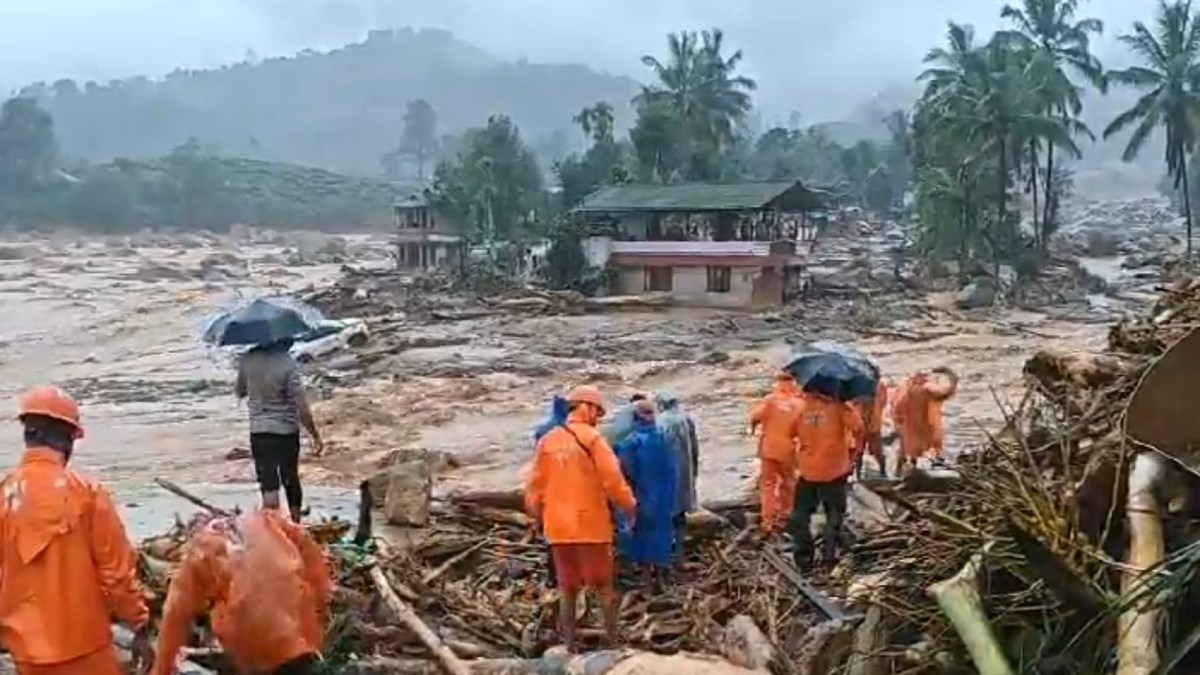
The 2024 landslides in Wayanad serve as a stark reminder of nature’s devastating capabilities, exacerbated by human influence. Wayanad, a mountainous district nestled in the Western Ghats, bore the brunt of the disaster, with over 300 lives lost and entire communities devastated. The heavy rainfall that triggered the landslides also caused widespread flooding across northern Kerala, washing away bridges, inundating homes and roads, and leading to power outages, plunging the region into turmoil.
In the days leading up to the disaster, Wayanad experienced persistent monsoon rainfall, which led to the destabilization of its already fragile hillsides. The severe downpours, exacerbated by a changing climate, played a significant role in the disaster that unfolded in Wayanad. The soils in Wayanad, already highly saturated from the ongoing monsoon season, were unable to absorb the deluge that fell on the day before the landslides. This saturation, a common phenomenon in the region during the rainy season, left the land vulnerable to collapse.
Entire towns were engulfed by mud and debris following the landslides, complicating rescue operations due to perilous conditions. Homes were overtaken by the earth, tearing apart families, leaving survivors to struggle with the loss of their jobs, security, and loved ones. The rivers and streams, once lifelines for these neighbourhoods, transformed into channels of destruction, carrying away not only soil but also the dreams and aspirations of the local populace.
In the context of Wayanad, SDG 15, which is focused on protecting life on land, is strikingly important. The landslides served as a startling example of what happens when terrestrial ecosystem health is neglected. Landslides were more likely because of the exposed and susceptible soil caused by the removal of tree cover. The tremendous biodiversity of the area was put in even greater jeopardy when the soil gave way, burying human dwellings along with wildlife habitats.
As Wayanad works to recover from this tragedy, the lessons learned from the landslides must not be forgotten. Human activity, environmental fragility, and climate change have combined to create a volatile situation that demands immediate attention. Preserving the region’s ecosystems, improving infrastructure resilience, and tackling the underlying causes of climate change are imperative in preventing future disasters and safeguarding the lives and livelihoods of those who call Wayanad home.
 Harmony Online Journal - Youth Voices on Science, Law and Sustainability