
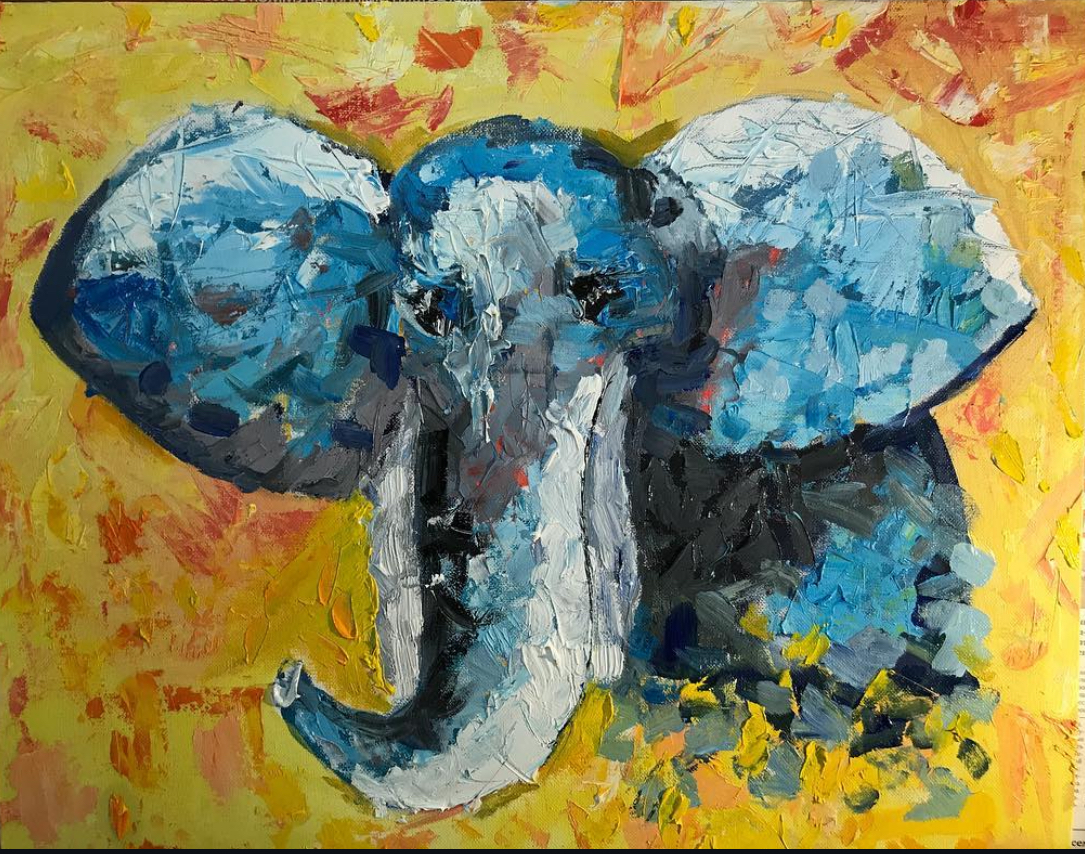
Artwork by Aida Mugutdinova
By: Mahesh Mandavelli, 15, India/Poland
Did you know that the Earth experienced its warmest day in recorded history on July 22, 2024 with a global average temperature of 17.16°C (Copernicus Climate Change, 2024, July 25)? Annually, around one-third of the Earth’s geographical area is at risk of desertification (“The World Counts”, 2023). Furthermore, the populations of several species have experienced a significant decrease, with an average reduction of 69% since 1970 (Pullen, 2022, October 13). These concerning figures highlight the immediate necessity for taking action.
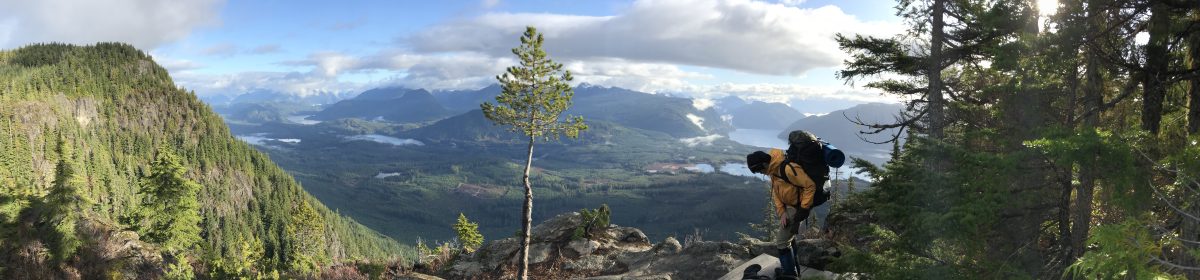
Forests, which occupy 30% of the Earth’s surface (Ritchie, 2021), have a vital function in mitigating climate change, offering sustenance and refuge, and sustaining a wide range of ecosystems and indigenous communities. Approximately 1.6 billion individuals depend on forests for their means of subsistence (Chao, 2012). Although there is growing global recognition of land degradation, invasive species, poaching, and wildlife trafficking, these dangers persist and pose ongoing risks to the conservation of biodiversity and the habitats of indigenous groups. If we do not take fast and coordinated action, there is a high probability that one million plant and animal species will become extinct.
Land encompasses several elements such as trees, houses, humans, animals, climate, and more. In general, humans bring about alterations. Regardless of the circumstances, global warming will persist until humans take action to alter the climate. In order to initiate a transformation, it is imperative that we address the issue of desertification and deforestation, starting with the soil. The second factor to consider is the climate. Upon cultivating the plants, we can observe the alteration in temperature. Once soil and climate conditions are established, human existence becomes intricately linked to the availability and quality of air and water. By refraining from polluting nature with substances such as plastic and petroleum gas, we can have tranquil lives. It is important to acknowledge that we are all interconnected in the intricate network of life, and our activities have an impact on every individual and element on Earth. The fact that everything is connected emphasizes our shared duty to safeguard our world.
Each individual has the ability to contribute towards its accomplishment. Conduct research on companies that implement sustainable packaging and other environmentally conscious activities. Request the cooperation of your acquaintances and relatives to initiate the practice of recycling and motivate all individuals within your social circle to bring their personal bags when shopping at grocery stores. Utilize a collection of durable utensils, drinking tubes, and a container for liquids such as a water bottle or canteen. You have the ability to express your endorsement to both your local and federal authorities. You can also educate others in your community on the ways in which deforestation and land degradation contribute to climate change and the loss of plant and wildlife diversity. Coordinate the establishment of a communal horticultural space or an arboreal planting occasion and emphasize the significance of engaging in planting activities. It is important to bear in mind that each of us possesses the ability to have a significant impact. The choices you make have significance and have the potential to bring about change.
References
Chao, S. (2012). Forest peoples: numbers across the world(Vol. 10, p. 2017). Moreton-in-Marsh, UK: Forest Peoples Programme.
Copernicus Climate Change. (2024, July 25). New record daily global average temperature reached in July 2024 . Climate.copernicus.eu. https://climate.copernicus.eu/new-record-daily-global-average-temperature-reached-july-2024
Pullen, A. (2022, October 13). WWF Living Planet Report: Devastating 69% drop in wildlife populations since 1970. Www.wwf.eu. https://www.wwf.eu/?7780966/WWF-Living-Planet-Report-Devastating-69-drop-in-wildlife-populations-since-1970
Ritchie, H. (2021). Forest area. Our World in Data. https://ourworldindata.org/forest-area
The World Counts. (2023). Www.theworldcounts.com. https://www.theworldcounts.com/challenges/planet-earth/forests-and-deserts/global-land-degradation
 Harmony Online Journal - Youth Voices on Science, Law and Sustainability