
By: Rowena Shivam, 18, UK
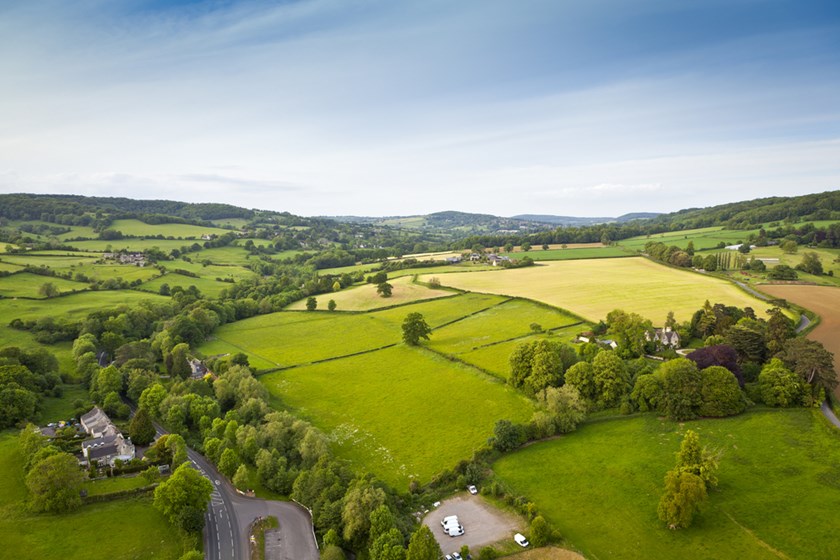
‘Halt biodiversity loss’ is a crucial part of Sustainable Development Goal 15. Globally, over 1 million animal and plant species are facing extinction (United Nations, 2019). The United Kingdom has the lowest level of biodiversity in the G7 but also one of the worst housing crises (House of Commons Environmental Audit Committee, 2021). House-building, along with associated infrastructure development like roads, transport and waste disposal, leads to habitat destruction and biodiversity loss. This creates issues for sustaining life on land.
Over the last year, I have been following the development of a new UK law that could significantly improve our progress towards SDG 15: Biodiversity Net Gain (BNG). BNG is a novel approach to land management that leaves biodiversity in a measurably better state than before any development. This policy could create or enhance up to half a million hectares of biodiverse habitat in the UK by 2030 (National Audit Office, 2024). Whether this level of success is achieved or not will be determined by the BNG Metric which analyses the size, condition, importance and location of new habitats. All new developments must generate at least 10% more habitat than previously existed in the area, helping wildlife to thrive (Department for Environment, Food & Rural Affairs, 2024).
BNG isn’t just for animals and plants; it can sustainably improve life on land for people too. It has increased the amount of land approved for new housing. Better access to nature will improve our physical and mental health. Increased vegetation will help reduce pollution and flash flooding. Even the economy is being boosted through BNG with new jobs in research, planning and legislation (The Environmental Agency, 2024).
However, there were some challenges that delayed BNG’s implementation. To better understand these issues I surveyed a group of 21 policymakers, homeowners, lawyers and conservationists. Only 38% believed BNG could significantly improve the UK’s biodiversity and 50% felt it might instead worsen our housing crisis by increasing prices. Nonetheless, BNG has now been mandatory since February 2024 and we are already seeing some early successes. I believe that with continued monitoring, evaluation and data collection over the next few years, this policy could help improve wildlife and human life on land in the UK.
References
Department for Environment, Food & Rural Affairs. (2024, February 12).
Understanding biodiversity net gain. GOV.UK.
https://www.gov.uk/guidance/understanding-biodiversity-net-gain
House of Commons Environmental Audit Committee. (2021). House of Commons Environmental Audit Committee. Biodiversity in the UK: bloom or bust? First Report of Session 2021-22 HC 136.
https://committees.parliament.uk/publications/6498/documents/70656/default/
United Nations. (2019, May 6). UN report: Nature’s dangerous decline “unprecedented”; species extinction rates “accelerating” – United Nations Sustainable Development. United Nations. https://www.un.org/sustainabledevelopment/blog/2019/05/nature-decline-unprecedented-report/
National Audit Office. (2024). Implementing statutory biodiversity net gain.
Department for Environment, Food & Rural Affairs and Natural England.
National Audit Office.
https://www.nao.org.uk/wp-content/uploads/2024/05/implementing-statutory-biodiversity-net-gain.pdf
The Environmental Agency. (2024, April 2). The Environment Agency’s role in
Biodiversity Net Gain – Creating a better place.
https://environmentagency.blog.gov.uk/2024/04/02/the-environment-agencys-role-in-biodiversity-net-gain/
 Harmony Online Journal - Youth Voices on Science, Law and Sustainability